The Importance of a Home Inspection
· 4 min read
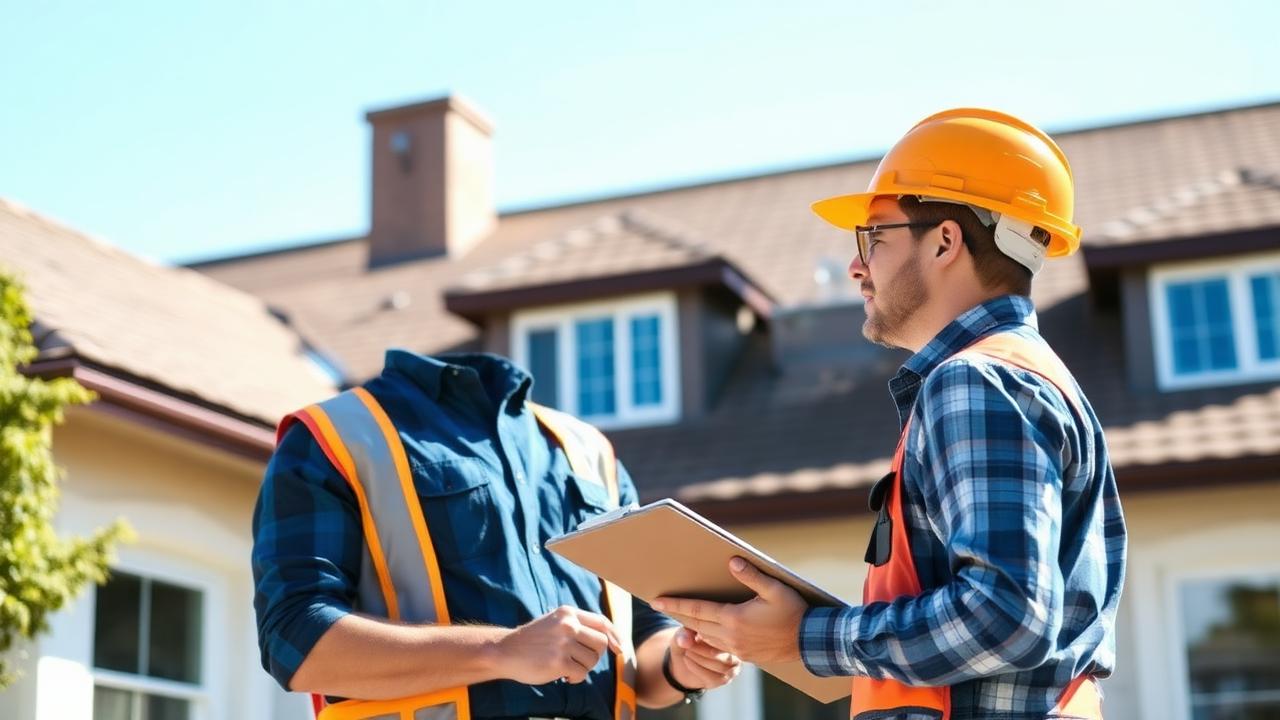
A home inspection usually costs a few hundred dollars. Skipping it can cost tens of thousands. For a purchase as big as a house, that math should be easy — and yet buyers still waive inspections to win bids, especially in hot markets. Here's why a thorough inspection is almost always worth it.
What an inspector actually looks at
A licensed home inspector evaluates the major systems and structure of the home, typically including:
- Roof, attic, and visible structural components
- Foundation, basement, and crawl spaces
- Electrical service, panel, and visible wiring
- Plumbing supply, drains, and water heater
- HVAC — furnace, AC, and ductwork
- Windows, doors, and insulation
- Visible signs of water damage, pests, or mold
They aren't tearing into walls, but they're trained to spot the red flags that matter and recommend specialists when something deserves a closer look.
Why it matters even on a newer home
Even new construction has defects. Roofs are installed incorrectly, HVAC systems are undersized, plumbing is missed. On older homes, the stakes are higher: dated electrical, aging roofs, and slow leaks can each turn into five-figure repairs. A good inspector gives you a clear picture of what you're really buying.
Use the report to negotiate — or walk away
Most contracts include an inspection contingency. If significant issues turn up, you can ask the seller to repair them, credit you at closing, reduce the price, or — if it's bad enough — back out of the deal with your earnest money. Without an inspection, you give up that leverage.
How to get the most out of yours
- Hire an inspector with strong reviews and current licensing, not just whoever your agent suggests first
- Be there in person if you can — you'll learn more in two hours than any report can convey
- Ask about maintenance, not just defects — when the roof is likely due, what to budget for the HVAC, where the main water shut-off is
- Read the full report, not just the summary — important detail often lives in the body
Bottom line
An inspection isn't a deal-killer. It's a clarity tool. Knowing exactly what you're buying — and what it will need over the next few years — is how you avoid surprises after the keys are in your hand.